Every county in Connecticut, CT has a different pest profile. Show Me Pest Control's technicians understand the specific species, seasonal cycles, and structural conditions that drive infestations in your part of the state.
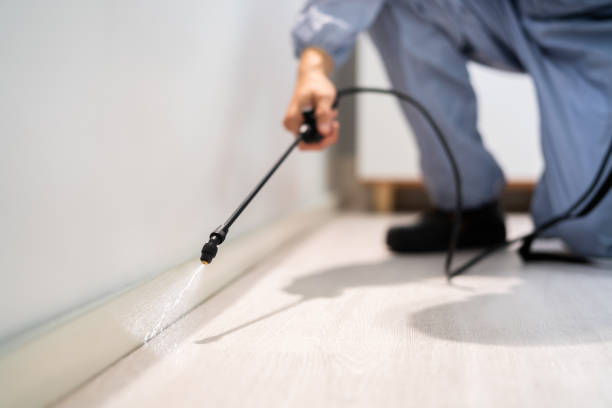
Connecticut, CT presents a pest control environment shaped by its specific geography and climate patterns. Coastal humidity drives persistent moisture-related pest activity - cockroaches, silverfish, and moisture ants thrive in conditions that remain wet year-round in certain parts of the state. Inland areas with seasonal temperature swings see heightened rodent pressure as temperatures drop, with mice and rats pushing through gaps in foundations and rooflines to find warmth. Subterranean termites are active in Connecticut, CT's warmer zones throughout the year, creating ongoing risk for structures that have not been inspected in several seasons. Our technicians know these patterns because they live and work in Connecticut, CT, not because they read about it in a training manual.
Structural conditions common in Connecticut, CT also influence which pests are most likely to cause problems and how they gain access. Older homes with crawl spaces, pier-and-beam foundations, and aging exterior trim provide more opportunities for rodent entry and subterranean termite access than newer construction with concrete slab foundations. Multi-family buildings and older commercial structures in Connecticut, CT's larger cities frequently deal with cockroach populations that move between units through shared plumbing voids. Our technicians are familiar with the construction types common throughout Connecticut, CT and know where to look for the conditions that support infestations in each building type.
Professional pest control in Connecticut, CT pays for itself when it eliminates a problem completely rather than managing it temporarily. A fully licensed Show Me Pest Control technician brings the diagnostic capability to distinguish a surface roach issue from an established colony in the wall structure, the equipment to treat harborage areas beyond consumer product reach, and the commitment to return if the problem persists after initial treatment. That combination is what makes professional service in Connecticut, CT worth the call.
Licensing requirements in Connecticut, CT mean that the technician applying products in your home is held to a documented professional standard. Show Me Pest Control hires only licensed applicators for Connecticut, CT service, and our employment model means we verify and maintain those credentials directly. You do not have to ask whether the person in your home is qualified - we have already confirmed it.
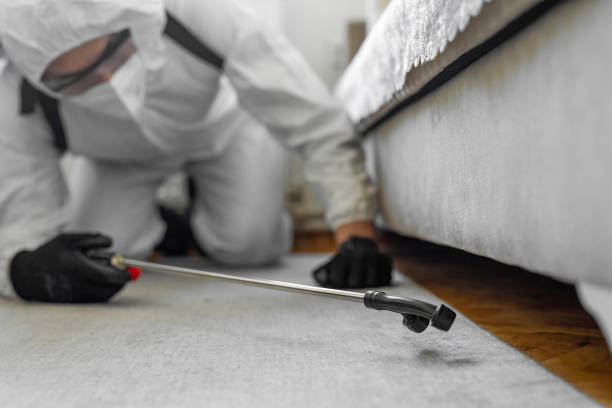
A home in Connecticut, CT needs pest protection that accounts for both what is currently active and what is likely to become active with the change of seasons. Show Me Pest Control's residential program includes the initial treatment, a follow-up verification visit to confirm treatment effectiveness, and a return guarantee that covers re-treatment at no charge if the target pest is still active within the service period.
For situations that cannot wait - a pest discovery before guests arrive, a health concern triggered by visible rodent activity, a bed bug find that disrupts sleep in your household - Show Me Pest Control's Connecticut, CT emergency dispatch operates continuously. You reach a person, not a voicemail, and you receive a confirmed arrival time before you end the call. The technician who responds is a licensed Connecticut, CT applicator with the equipment and training to begin treatment on arrival.
The return guarantee on residential treatments in Connecticut, CT is unconditional within the service window. If you contact us to report that a treated pest is still active, we schedule a follow-up and perform a complete re-treatment of the affected areas. No fee, no shortened service call, no exceptions based on fine print. If the problem persists after our treatment, we have not finished the job.

Commercial pest management in Connecticut, CT requires a provider who understands industry-specific requirements. A restaurant kitchen in Connecticut, CT has different compliance documentation needs than a warehouse or a medical office building. Show Me Pest Control works with commercial customers across these industries to build service programs that fit the pest risk of the specific facility, schedule visits at times that minimize business disruption, and provide the service records required for health and regulatory compliance.
Every commercial account with Show Me Pest Control in Connecticut, CT receives an assigned service record file that documents inspections, findings, and treatments on a per-visit basis. This documentation is formatted to support Connecticut, CT regulatory audits and is available to you after each service visit. For businesses in food service and healthcare where documentation of pest control activity is a compliance requirement, this record-keeping is part of what you are paying for - not an afterthought.
Multi-location businesses in Connecticut, CT can consolidate pest control under a single Show Me Pest Control commercial account, with consistent service protocols across all locations, centralized documentation, and a single point of contact for scheduling and compliance questions. Having a single vendor with coverage across Connecticut, CT simplifies your operations team's responsibilities and ensures that the technicians serving each of your locations are held to identical standards.

Termites in Connecticut, CT follow a foraging pattern that takes them from soil moisture through the foundation into wood members inside the structure. The inspection process at Show Me Pest Control in Connecticut, CT maps that foraging pathway - checking where the termites enter, which wood members they have reached, and what treatment approach is appropriate for the species and the construction type. Treatment options include liquid perimeter barrier applications, baiting systems, or wood treatment depending on what the inspection finds and what the structure requires.
Rodent exclusion is the step that determines whether a rodent problem stays solved after treatment. In Connecticut, CT structures, common entry points include gaps around utility penetrations in foundation walls, deteriorated crawl space screens, damaged soffit sections at the roofline, and gaps around plumbing and conduit where they enter the structure. Show Me Pest Control's rodent technicians in Connecticut, CT identify and seal these points using materials that resist gnawing - not foam backer rod alone, which rodents can push through, but hardened mesh and appropriate sealants - while bait stations and traps address the current population inside.
Specialty pest services in Connecticut, CT include bed bug extermination, carpenter ant elimination, mosquito barrier treatments, wasp and stinging insect removal, and flea and tick programs for residential properties. Each of these requires a distinct approach, specific equipment, and knowledge of the pest's biology and harborage behavior. Show Me Pest Control's Connecticut, CT technicians are trained across these specialty categories, so when your situation falls outside the most common residential pests, you do not need to call a different provider.
Different pest species require different treatment approaches. Identifying what you are seeing is the first step toward eliminating it.
German cockroaches - the most common species in Connecticut, CT kitchens and bathrooms - are nocturnal, fast-reproducing, and capable of establishing large populations inside wall voids and appliance motors well before they become visible during daytime. An adult female produces egg cases containing up to 40 eggs at a time, which means a small visible population represents a much larger infestation in harborage areas that require targeted professional treatment.
Subterranean termites are present throughout most of Connecticut, CT and remain active year-round in the southern portions. They travel through mud tubes from soil moisture to wood targets inside a structure, and the damage they cause occurs entirely inside wood members - meaning a heavily damaged beam can look normal from the outside until structural failure becomes visible. Annual professional inspections are the standard approach for Connecticut, CT properties in elevated-risk zones.
Bed bugs in Connecticut, CT spread through travel, used furniture acquisition, and in multi-family housing through shared wall penetrations. Their cryptic harborage behavior - hiding in mattress seams, box spring frames, headboard joints, and nearby wall voids - makes them difficult to confirm without a trained inspection. Retail products rarely eliminate established populations because they do not reach the primary harborage sites where eggs and adults are concentrated.
Mice and rats are persistent problems in Connecticut, CT structures with aging foundations, crawl spaces, and exterior construction gaps. A mouse requires only a dime-sized gap to enter a structure, and once inside, it nests in wall insulation, under cabinetry, and in attic spaces - creating both a contamination risk and an ongoing re-entry pathway if the access points are not sealed after the population is reduced. Rodent activity spikes in Connecticut, CT during fall and winter months as temperatures drop.
Mosquito pressure in Connecticut, CT follows the warmer months, with species activity peaking in late spring through early fall depending on rainfall patterns and standing water availability. Properties with natural drainage issues, ornamental ponds, or dense vegetation adjacent to the structure support larger mosquito populations and more persistent activity through the season. Barrier spray programs reduce adult populations on the property but must be repeated on a schedule aligned with mosquito breeding cycles to remain effective.
Multiple ant species create structural and nuisance problems in Connecticut, CT, each requiring a different treatment approach. Carpenter ants - larger than pavement or odorous house ants - excavate nesting galleries in moist wood inside structures, creating structural damage over time without the same visible surface activity that termites leave. Argentine ants form supercolonies with multiple queens, making colony elimination through standard contact insecticides ineffective. Correct species identification determines which treatment protocol will actually work.
I had been seeing ants in the kitchen for weeks and kept buying products that helped for a day or two before they came back. The Show Me Pest Control technician identified them as Argentine ants and explained why the sprays I was using were not working. He placed bait inside the cabinet wall void where they were traveling and within a week they were gone. Three months later, still no ants. I understand now why the species identification matters before treatment.
We operate a cafe in Connecticut, CT and had a cockroach issue show up in the dry storage room right before a health inspection. I called Show Me Pest Control in the evening and they sent a technician the same night. He treated the storage room thoroughly, found a water line condensation issue in the adjacent wall that was contributing to the problem, and provided a service report I could show the inspector the next morning. We passed. I have kept them on a monthly commercial contract since then.
We were buying an older home in Connecticut, CT and wanted a termite inspection from someone we trusted, not just whoever the seller's agent recommended. The Show Me Pest Control inspector spent over an hour checking the crawl space, the perimeter, and the attic. He found evidence of old damage that had been previously treated and two areas where active moisture conditions were creating future risk. He was straightforward about what was urgent versus what was just something to monitor. That kind of honest assessment is what you need when you are making a major purchase decision.
Every fall I would start hearing rodent activity in the walls of my older home in Connecticut, CT. I had tried traps for years with partial success, but the activity always came back the following fall. Show Me Pest Control's technician did something I had never done before - a full exclusion inspection of the foundation and exterior. He found six separate entry points I had never known about, sealed every one with the right materials, set bait stations in the crawl space, and the fall activity has not returned since. The exclusion work was the step that actually solved it.
Show Me Pest Control's pricing in Connecticut, CT is determined after a physical inspection, not quoted blindly over the phone. The cost reflects what the specific treatment requires: the pest type, the extent of infestation, the size of the property, and whether exclusion work is needed alongside the treatment. You receive a flat-rate written quote before any product is applied.
Show Me Pest Control uses EPA-registered products applied by licensed Connecticut, CT applicators following established re-entry protocols. Your technician explains the specific products being used, gives you a post-treatment re-entry interval for occupants and pets, and answers product questions before beginning work. We do not apply anything in an occupied home without giving residents complete information on what is being used and what precautions to follow.
Many pest species in Connecticut, CT leave distinct evidence - droppings, shed skins, frass, mud tubes, or chewed materials - that a trained technician can identify during an inspection. Show Me Pest Control's inspection process is designed to confirm species identification before recommending treatment because the species determines the treatment approach. You do not need to know what you are dealing with before you call - that is what the inspection establishes.
Show Me Pest Control covers all counties in Connecticut, CT. Our regional dispatch model places licensed technicians throughout the state, not just in major metro areas, so rural and semi-rural counties are within our coverage area. When you call +1-866-315-0243, give us your county or zip code and we will confirm availability and response time for your specific location immediately.
Treatment time in Connecticut, CT varies by pest type and property size. A standard general pest treatment for a residential home typically takes one to two hours. Termite treatments involving liquid barrier application around the foundation perimeter take longer based on the structure's footprint. Bed bug treatments requiring thorough coverage of sleeping areas and furniture can take two to four hours depending on how many rooms are involved. Your technician will give you a realistic time estimate after the inspection.
Your Show Me Pest Control service in Connecticut, CT comes with a documented return guarantee. If pests treated under the original service are active again within the guarantee period, call +1-866-315-0243 and we will schedule a return visit. The follow-up treatment covers the same areas as the original service and is performed at no additional cost to you. We track the guarantee on our end and honor it without requiring you to argue for it.
Show Me Pest Control's licensed Connecticut, CT technicians are dispatched, trained, and ready. One call confirms your appointment, your arrival window, and your written quote - no obligation before the inspection.
Licensed Connecticut, CT applicators on every job - no subcontractors
Written upfront quote before any product is applied
Return guarantee - we come back if pests remain active
24/7 emergency dispatch available throughout Connecticut, CT
Coverage in every county in Connecticut, CT, including rural areas
Our Connecticut, CT coverage is complete - no county exclusions, no rural service gaps, no parts of the state where we have to refer you elsewhere. Call +1-866-315-0243 and give us your address; we will confirm technician availability and a realistic response time for your specific location.